
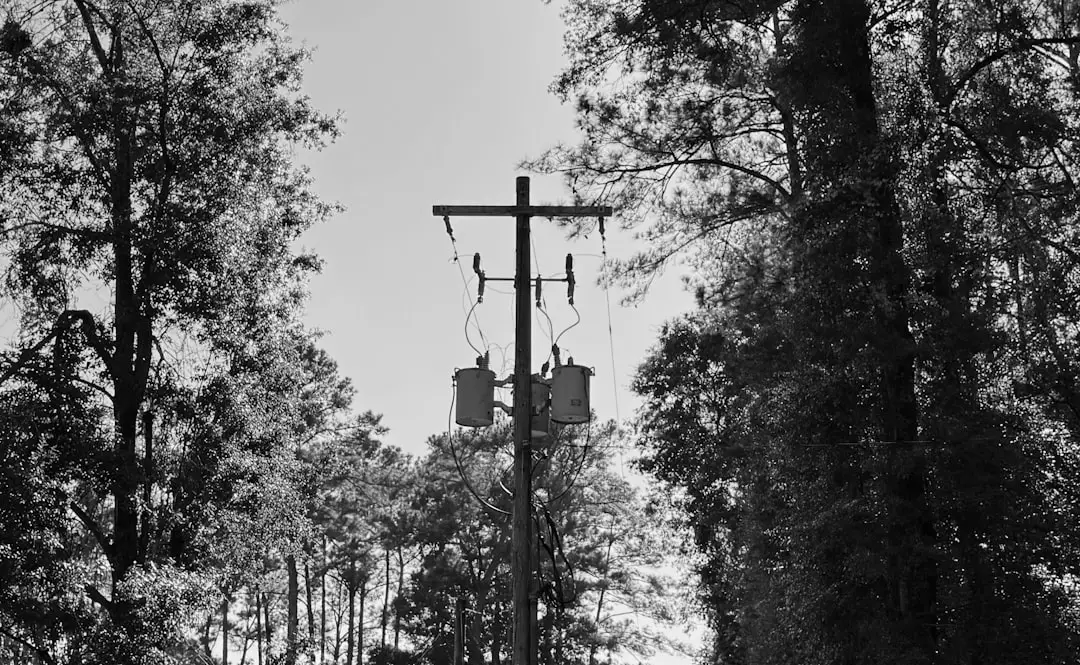

PalniES delivers precise pole load analysis services that ensure your telecom infrastructure is safe, compliant, and optimized for growth. Our engineers combine structural expertise with regulatory knowledge to help you make informed decisions, avoid costly delays, and build networks that last.
PalniES provides end-to-end pole load analysis services that ensure safe, compliant, and build-ready telecom infrastructure. We compile and model field data to evaluate structural capacity, conduct clearance and stress analyses, and generate make-ready and pole replacement designs tailored to your network. Leveraging industry-leading tools such as SPIDAcalc, Ocalc, Katapult, PLSCADD, and ikeGPS, we support OSP and ISP fiber design, wireless infrastructure planning, and utility attachments, helping operators, ISPs, and infrastructure builders reduce rework, accelerate deployment, and meet regulatory requirements from day one.
Structural and stress analysis for existing and new poles
Clearance evaluation for attachments and safety compliance
Make-ready and pole replacement design packages
Integration with OSP, ISP, and wireless network plans
Field-verified routes and constructable designs
Optimized workflows from intake to issue-for-construction
Permit-ready drawings aligned with local codes and standards
PalniES offers a full suite of pole load analysis capabilities to ensure telecom networks are built safely, efficiently, and to code. Our services include field data collection, attachment feasibility studies, and make-ready engineering (MRE), supported by detailed structural analysis and load calculations. We ensure compliance with NESC, GO95, and local standards, and provide remediation planning and engineering reports that guide safe installations, reduce risk, and support reliable network expansion.
Our field teams collect high-accuracy data, including pole height, class, guying, span lengths, attachment types, and existing tensions. This data feeds directly into load calculation models.
Analysis of available space and load-bearing capacity to determine the viability of new telecom or power attachments while maintaining clearance and safety requirements.
Identification of required pole replacements, relocations, or reinforcements to bring infrastructure into compliance and prepare it for new deployments.
We perform detailed structural assessments using industry-standard tools (e.g., SPIDAcalc, O-Calc Pro) to evaluate the effects of new attachments, weather loads, and existing infrastructure on pole stability and loading thresholds.
All analysis is conducted in strict accordance with National Electrical Safety Code (NESC), General Order 95 (GO95), and regional utility standards to ensure safety and regulatory alignment.
When poles exceed load capacity, we provide actionable remediation recommendations and sealed engineering reports for submission to utilities, municipalities, and permitting authorities.
A structured approach from requirements to construction-ready deliverables
Define project scope, collect GIS data, review existing infrastructure

Desktop route analysis, field surveys, and constructability assessment

Network layouts, cable schedules, splice diagrams, material specs

QA/QC checks, permit compliance, design conflict resolution

Finalized drawings, BOMs, construction packages ready for deployment

Define project scope, collect GIS data, review existing infrastructure
Desktop route analysis, field surveys, and constructability assessment
Network layouts, cable schedules, splice diagrams, material specs
QA/QC checks, permit compliance, design conflict resolution
Finalized drawings, BOMs, construction packages ready for deployment
PalniES helps clients leverage pole load analysis to make smarter, faster decisions across their telecom projects. Our services accelerate fiber rollouts, reduce costly construction rework, and improve permit approval timelines by providing accurate, compliant structural data. We also support large-scale funding programs by ensuring that network designs meet regulatory standards and can be executed efficiently at scale, keeping projects on time and on budget.
Large-scale FTTH and FTTP deployments requiring standardized, scalable design workflows that support rapid permitting and construction execution.
Field-verified designs that eliminate costly change orders, reduce engineering callbacks, and improve first-time installation success rates.
Compliant, jurisdiction-ready drawings that streamline municipal review processes and accelerate project timelines from design to build.
BEAD, RDOF, and grant-funded broadband projects requiring audit-ready documentation, accurate cost estimates, and regulatory compliance.